
Elephants in Our Lives: Why Gratitude and Respect Matter for Their Future
By Leila Donovan · · 4 min read
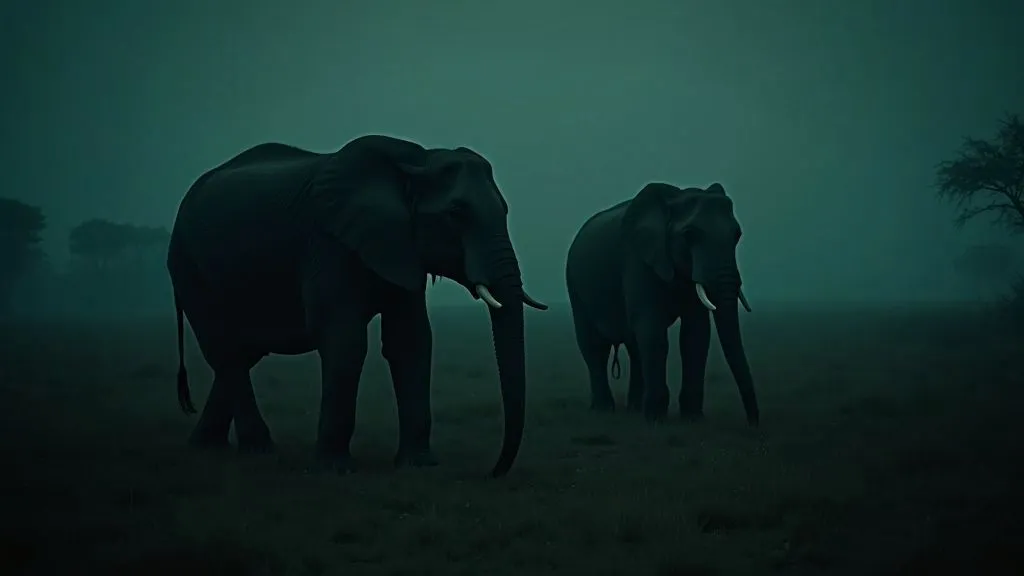
A deep appreciation for elephants goes beyond mere admiration; it encompasses a responsibility to preserve their existence and habitats. These majestic creatures play vital roles in their ecosystems, and as humans, we have a duty to acknowledge their importance and advocate for their protection. Understanding the intricate relationship between gratitude for elephants and conservation efforts can lead to meaningful actions that benefit both these animals and the environments they inhabit.
The Ecological Importance of Elephants
Elephants are often referred to as “keystone species” due to their significant impact on their ecosystems. Their feeding habits can shape the landscape, creating pathways and clearings that benefit numerous other species. By uprooting trees or trampling shrubs, they help maintain grasslands and prevent forest overgrowth, which in turn supports a diverse range of flora and fauna.
Additionally, elephants contribute to nutrient cycling. As they consume vast amounts of vegetation, their droppings contain seeds and nutrients that foster plant growth. This natural fertilizer promotes biodiversity and helps sustain the ecosystems that countless other species rely on. Their movement across landscapes also aids in seed dispersal, enhancing plant regeneration and supporting overall ecological health.
The Social Structure of Elephants
Elephants are known for their complex social structures. They have strong family bonds, often led by matriarchs who guide their herds with wisdom accumulated over years. The nurturing behavior displayed among elephants showcases the importance of relationships not just within their species, but also in the broader context of wildlife. These social ties can be seen as a reflection of the kind of empathy and care that humans should aspire to practice toward all living beings.
Recognizing the emotional depth of elephants compels us to treat them with the respect they deserve. It becomes a moral imperative to ensure their welfare and to create environments where they can thrive in the wild, free from human-induced threats.
Threats Facing Elephants
Despite their significant roles and the admiration they inspire, elephants face numerous threats. Poaching for ivory is one of the most pressing issues. The illegal wildlife trade has led to a staggering decline in elephant populations, with estimates suggesting that thousands of elephants are killed each year for their tusks. This not only reduces elephant numbers but also destabilizes the ecosystems they support.
Habitat loss due to human encroachment is another major concern. As urban areas expand and agriculture takes over natural landscapes, elephants are increasingly forced into smaller territories. This can lead to human-elephant conflicts, where both parties suffer as they compete for resources. Protecting their habitats is essential for their survival and for maintaining the ecological balance.
The Role of Community in Conservation
Community involvement is crucial in the fight against these threats. Local populations often have the most direct impact on conservation efforts. By fostering a sense of gratitude towards elephants, communities can become powerful advocates for their protection. Educational programs that highlight the ecological benefits of elephants can help shift perspectives and inspire collective action.
In regions where elephants roam, community-based conservation initiatives can empower locals to participate in wildlife protection. These efforts can include ecotourism, where communities benefit economically from preserving their natural surroundings rather than exploiting them. Such programs not only provide financial incentives but also encourage sustainable practices that benefit both elephants and local populations.
The Power of Advocacy and Fundraising
Organizations dedicated to elephant conservation, such as March for Elephants, play a significant role in raising awareness and funds for these initiatives. Advocacy efforts help to bring attention to the plight of elephants and influence policy changes that can lead to stronger protections. Grassroots movements can mobilize individuals to engage in advocacy, whether through social media campaigns, community events, or participation in marches.
Fundraising is another critical component. Donations help finance anti-poaching patrols, habitat restoration projects, and community education programs. By supporting these initiatives, individuals can directly contribute to the ongoing fight to protect elephants and their habitats.
Celebrating Elephants Through Cultural Awareness
Cultural appreciation can also strengthen conservation efforts. Many cultures around the world hold elephants in high regard, and their significance can be highlighted through art, storytelling, and festivals. By celebrating the cultural heritage associated with elephants, communities can foster a deeper understanding of their importance, leading to greater commitment to their conservation.
Events that honor elephants, such as World Elephant Day, provide platforms for raising awareness. These occasions can feature educational workshops, art exhibitions, and interactive activities that allow people to connect with elephants on a personal level. Such experiences can cultivate a sense of responsibility and gratitude, prompting individuals to take action in their own communities.
The Future of Elephants: A Collective Responsibility
As stewards of the planet, humans must recognize our shared responsibility in protecting elephants. It is not just about saving a species; it is about preserving the intricate web of life that they are integral to. Expressing gratitude for elephants means actively working to ensure their survival and well-being.
Adopting sustainable practices in our daily lives can contribute to conserving the ecosystems that elephants inhabit. Simple changes, such as reducing plastic usage and supporting ethical tourism, can create ripple effects that benefit not just elephants, but all wildlife.
Taking Action: What You Can Do
There are countless ways individuals can get involved in conservation efforts. Volunteering with local wildlife organizations, participating in conservation research, or simply spreading the word through social media can make a difference. Every action counts, no matter how small.
Supporting businesses that prioritize sustainability and ethical practices can also contribute to long-term change. By choosing products and services that align with conservation efforts, consumers can influence market trends, encouraging more businesses to adopt environmentally friendly practices.
Engaging in conversations about the importance of elephants and the threats they face can raise awareness within communities. The more people understand the challenges, the more likely they are to take steps towards solutions.